Source high strength round bicycle frame for Road, Mountain, and Ordinary Bikes
Compare 30 listings for high strength round bicycle frame options made from steel or aluminum. Buyers can evaluate specifications including wheel size, gear systems, and frame weights for road, mountain, and ordinary bicycle applications.
Key considerations
Products List




Comprehensive Sourcing Guide
Strategic Sourcing Guide for High Strength Round Bicycle Frames
Understanding Technical Specifications and Material Composition
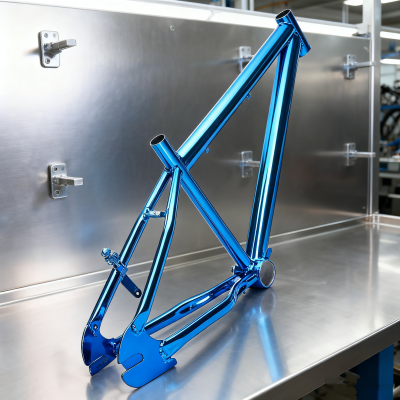
When sourcing a high strength round bicycle frame, the primary focus must be on the material composition and the specific engineering standards that define structural integrity. The market data indicates a clear divergence in material choices, with Steel and Aluminum being the predominant options observed in current listings. Steel frames are frequently associated with heavy-duty applications, offering a traditional balance of durability and impact resistance. Conversely, Aluminum frames, often cited with specific alloy designations such as 7075, are highlighted for their superior strength-to-weight ratio, making them ideal for performance-oriented applications like racing or mountain biking where weight reduction is critical.
The geometry of the frame is equally significant. While the core keyword specifies a "round" profile, the actual product attributes reveal a spectrum of structural designs. Some listings describe an Integrated Metal Frame, suggesting a unified construction method that may enhance rigidity. The dimensions of these frames vary significantly to accommodate different rider needs and bike categories. Observed product sizes range from 50cm to 58cm, catering to various adult rider heights. For specific wheel configurations, such as 26-inch wheels, the frame size is often matched to the tire width, with observations noting tire sizes up to 4.0 inches for off-road utility.
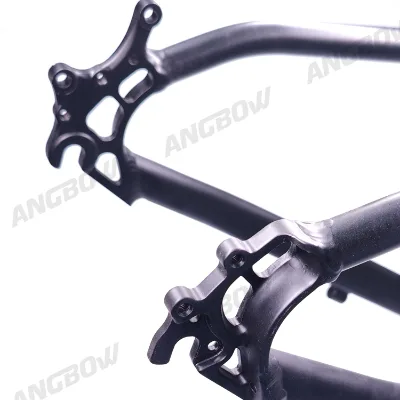
The surface processing mode is another critical technical variable. Buyers should verify whether the frame utilizes a Matte Glossy finish, as this impacts both the aesthetic appeal and the corrosion resistance of the metal. The weight of the frame is a direct indicator of the material density and wall thickness; specific observations note a frame weight of approximately 930g for a 54cm model with paint, which serves as a benchmark for lightweight aluminum construction. When evaluating a supplier, request detailed technical drawings that specify the wall thickness of the round tubes and the exact alloy composition to ensure the "high strength" claim is backed by verifiable metallurgical data.
Compliance, Certification, and Regulatory Standards
Navigating the regulatory landscape is essential for international procurement, particularly when dealing with components that undergo rigorous stress testing. The available product data highlights a robust array of certifications that buyers should verify during the supplier qualification process. Commonly observed certifications include CE, RoHS, and ISO9001. The CE mark indicates conformity with health, safety, and environmental protection standards for products sold within the European Economic Area, which is a baseline requirement for many markets. RoHS compliance ensures that the materials used do not contain restricted hazardous substances, a critical factor for environmental regulations in many jurisdictions.
Beyond general certifications, specific industry standards govern the manufacturing of bicycle frames. The observed data references a wide range of international standards, including BS (British Standards), ANSI (American National Standards Institute), JIS (Japanese Industrial Standards), GB (Guobiao), GOST (Eurasian Economic Union), ASTM (American Society for Testing and Materials), and DIN (Deutsches Institut für Normung). These standards dictate everything from tensile strength requirements to fatigue testing protocols. For instance, ASTM standards are often the benchmark for aluminum alloy performance, while GB standards are prevalent for domestic Chinese manufacturing.
Buyers must also scrutinize the specific standard codes listed in the product documentation. Some listings cite ISO9001 SGS, indicating that the manufacturing process has been audited by SGS, a leading inspection and verification company. Others mention ISOCE, which may refer to specific ISO compliance certificates. It is imperative to note that while certifications like CE and ISO9001 are frequently listed, the specific application of these certifications to the final product must be confirmed. A supplier may hold a general ISO9001 certification for their facility but not have specific testing data for the high-strength round frame design. Therefore, procurement teams should request valid, up-to-date certificates that explicitly cover the product model in question, rather than accepting generic facility certifications.
Cost Drivers and Pricing Dynamics
The pricing structure for high strength round bicycle frames is influenced by a complex interplay of material costs, customization levels, and order volume. The observed market data reveals a significant price variance, ranging from $0.13 to $180 USD. This wide range suggests that the "high strength" designation does not correlate linearly with price; rather, it depends heavily on the specific application and the level of engineering involved. The lower end of the spectrum likely corresponds to basic steel frames or components intended for heavy industrial use or simple assembly, while the higher end reflects precision-engineered aluminum frames with advanced surface treatments and integrated designs.
Material selection is the primary cost driver. Aluminum, particularly high-grade alloys like 7075, commands a premium over standard steel due to the cost of the raw material and the energy-intensive processing required to achieve the desired strength properties. Additionally, the manufacturing process plays a vital role. Frames that are Customized or Non-Customized will have different pricing structures. Customization, which includes specific color finishes like Black or Silver, unique dimensions, or tailored component integration (such as Thru-Axle compatibility), adds significant labor and tooling costs.
Order Volume and Minimum Order Quantity (MOQ) are also critical factors. The observed MOQ range spans from 1 to 1000 units. Suppliers offering low MOQs, such as single units, typically charge a higher per-unit price to cover setup and administrative costs. Conversely, bulk orders often benefit from economies of scale, reducing the unit cost significantly. Payment terms, such as T/T (Telegraphic Transfer), are standard but can influence cash flow and overall procurement costs if financing is required. Buyers should analyze the total cost of ownership, including shipping and packaging, which varies based on whether the product is shipped in a Wooden Box or 1PCS/Cnt cartons versus bulk SKD (Semi-Knocked Down) or CKD (Completely Knocked Down) configurations.
Typical Applications and Usage Scenarios
High strength round bicycle frames are versatile components designed to meet the demands of diverse riding environments and user demographics. The product attributes indicate a broad spectrum of applications, ranging from Ordinary Bicycle and Road Bike to specialized Mountain Bike and Kids Bike configurations. The specific design of the frame dictates its suitability for these applications. For instance, frames designed for Mountain Bikes often feature a 26-inch wheel size and accommodate wider tires (up to 4.0 inches) to handle rough terrain. These frames are frequently equipped with Disc Brakes to ensure reliable stopping power in adverse conditions.
In contrast, frames intended for Road Bicycles prioritize aerodynamics and weight reduction. The observed Integrated Metal Frame design and Light Weight attributes suggest these models are optimized for speed and efficiency on paved surfaces. The Racing Type and Loading Type classifications further segment the market, indicating frames built for competitive performance or utility transport, respectively. The Foldable attribute is another key differentiator; while some frames are Not Foldable or Unfolded, others may offer folding capabilities, though the data suggests that high-strength round frames are predominantly rigid structures.
The intended user base also varies. Some frames are specified for All Ages, indicating a design that balances safety and durability for a wide demographic. Others are tailored for specific age groups or skill levels, such as Kids Bike applications. The Saddle Shell Material, often Imitation Leather, and the Rim Material, typically Aluminum/Alloy, are secondary components that complement the frame's primary function. When sourcing, buyers must align the frame's application with the end-user's needs. A frame designed for Metal Casting Machinery or Metal Processing Machinery Parts (as noted in some application lists) suggests an industrial use case, whereas frames for Metal Spinning Machinery or Metal Straightening Machinery indicate specialized industrial applications. Understanding these distinctions ensures that the procurement matches the functional requirements of the final product.
Supplier Evaluation and Geographic Considerations
Evaluating suppliers requires a thorough analysis of their geographic location, production capabilities, and adherence to the observed standards. The data indicates that the majority of these products originate from China, with specific manufacturing hubs identified in Xingtai, Hebei, and Tianjin. These regions are known for their established manufacturing ecosystems, particularly in the bicycle and metalworking industries. Suppliers located in these areas often have access to a robust supply chain for raw materials like Steel and Aluminum, which can streamline production and reduce lead times.
When assessing a potential supplier, buyers should verify their capacity to meet the specific Standard requirements observed in the market, such as BS, ANSI, JIS, GB, GOST, ASTM, DIN, or ISO9001. A supplier's ability to produce frames that meet multiple international standards is a strong indicator of their technical competence and quality control systems. Additionally, the availability of Customization services is a key differentiator. Suppliers that offer Customized options alongside Non-Customized standard models provide greater flexibility for buyers with specific design requirements.
The Condition of the product is another critical factor. All observed listings specify the product as New, which is standard for B2B procurement. However, buyers should also inquire about the supplier's track record for delivering New products that meet the specified Certification requirements, such as CE, RoHS, and ISO9001. The Payment terms, typically T/T, should be negotiated to ensure fair terms that protect both parties. Furthermore, the Product Packing method, whether Wooden Box, 1PCS/Cnt, or SKD/CKD configurations, should be evaluated for its ability to protect the frames during transit, especially given the high strength and potential fragility of the round tube structures.
Quality Control and Long-Term Procurement Strategy
Implementing a rigorous quality control (QC) strategy is essential to ensure that the high strength round bicycle frames meet the required performance and safety standards. Given the wide range of observed specifications, from 26-inch wheels to 58cm frame sizes, a standardized QC protocol must be established. This protocol should include visual inspections for surface defects, such as inconsistencies in the Matte Glossy finish, and dimensional checks to verify that the frame sizes match the ordered specifications. Non-destructive testing methods should be employed to verify the structural integrity of the Aluminum or Steel tubes, ensuring they can withstand the stresses of their intended application.
Long-term procurement considerations involve building a sustainable relationship with suppliers who can consistently deliver high-quality products. This includes monitoring the supplier's ability to maintain Certification compliance over time. Certifications like CE and ISO9001 are not static; they require regular audits and updates. Buyers should request periodic updates on the supplier's certification status to ensure ongoing compliance. Additionally, the Lead Time and MOQ flexibility should be assessed to ensure the supply chain can adapt to fluctuating market demands.
The Components included with the frame, such as the Frame+Seat Clamp+Thru-Axle, should be inspected for compatibility and quality. The Gear system, often 21 Speed, and the Derailleur Set, typically a Rear Derailleur, must function seamlessly with the frame. For long-term success, buyers should also consider the availability of spare parts and the supplier's willingness to support after-sales service. By focusing on these quality control measures and strategic planning, buyers can mitigate risks and ensure a reliable supply of high-strength round bicycle frames that meet the rigorous demands of the global market.
Comparison of Key Product Attributes
| Attribute Category | Observation A (Steel/Heavy Duty) | Observation B (Aluminum/Performance) | Observation C (General/Standard) |
|---|---|---|---|
| Material | Steel | Aluminum (7075) | Aluminum/Alloy |
| Frame Size | Variable | 50cm - 58cm | 26 Inches |
| Weight | Heavier | ~930g (54G) | Variable |
| Certification | CE, RoHS, ISO9001 | CE, SGS, ISO9001 | ISOCE, CE |
| Application | Metal Machinery Parts | Mountain/Road Bike | Ordinary/Kids Bike |
| Customization | Available | Available | Non-Customized |
| Origin | China (General) | Xingtai, Hebei | Tianjin, China |
| Packing | Wooden Box | 1PCS/Cnt | SKD/CKD |
This table summarizes the diverse attributes observed in the market, highlighting the need for buyers to carefully select the specific product variant that aligns with their technical requirements and application needs. The variation in materials, certifications, and origins underscores the importance of detailed supplier vetting and specification verification before finalizing any procurement agreement.
FAQs
What materials are used for high strength round bicycle frames?
High strength round bicycle frames are primarily constructed from Steel or Aluminum alloys like 7075. Steel offers durability for heavy-duty applications, while Aluminum provides a superior strength-to-weight ratio ideal for racing or mountain biking performance.
Which certifications are commonly available for these bicycle frames?
Common certifications include CE, RoHS, ISO9001, and SGS. These marks indicate compliance with safety standards and environmental regulations, ensuring the product meets international requirements for health, safety, and restricted hazardous substances.
How can I find frames with specific customization options?
Customization is available for specific colors like Black or Silver and unique dimensions. Buyers can request tailored component integration or finishes, though non-customized standard models are also offered depending on the supplier's production capacity.
What are the typical price ranges for these frames?
The observed price range spans from 0.13 to 180 USD per unit. Pricing varies significantly based on material selection, customization levels, and order volume, with lower prices often corresponding to basic steel components and higher prices to precision aluminum frames.
Which standards govern the manufacturing of these bicycle frames?
Manufacturing adheres to international standards such as BS, ANSI, JIS, GB, GOST, ASTM, and DIN. These standards dictate tensile strength, fatigue testing, and dimensional requirements to ensure structural integrity and safety across different global markets.
Can I source frames with specific wheel sizes like 26 inches?
Yes, frames are available with 26-inch wheel sizes and tire widths up to 4.0 inches. These configurations are typically designed for mountain bikes to handle rough terrain, often paired with disc brakes for reliable stopping power.
Where are the main manufacturing locations for these frames?
Most products originate from China, with specific hubs in Xingtai, Hebei, and Tianjin. These regions provide established supply chains for raw materials like Steel and Aluminum, facilitating efficient production and distribution for international buyers.